Sleep & winding down
The half hour before sleep is the hardest one to spend well.
Too tired to do anything useful, not tired enough to sleep. Every alternative to the phone asks something of you — attention, effort, a decision — and the phone asks for nothing, which is exactly why it wins at eleven at night.
The thing that reliably helps isn’t discipline. It’s giving your hands something else to do. Warm, heavy, textured, and dull enough that you stop thinking about it.
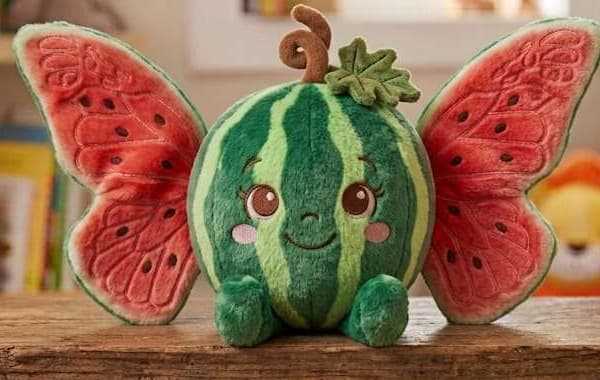
Deep pressure, briefly
The difference between a poke and a hug.
Light, moving, unpredictable touch is alerting — it’s how you notice an insect on your arm. Firm, broad, still pressure is the opposite. Swaddling works on it, and so does a heavy coat in winter.
The best evidence is a 2020 randomised controlled trial of weighted blankets: 120 adults with insomnia, reduced insomnia severity against a light control blanket. The broader literature is thinner than the marketing suggests — promising for anxiety, weak for pain, small samples throughout. We’d rather tell you that than sell you a claim.
“People consistently feel better and we can’t reliably measure why is a normal state of affairs here. It is not the same as it does nothing.”
A wind-down that survives a bad week
Ordered by effort, not by virtue.
- Effort Zero
Change what your hands are doing
Not 'meditate'. Get the phone physically out of reach and put something else in your hands. An empty hand at 11pm reaches for a phone without consulting you.
- Effort One
Lower the light
One lamp, warm bulb, low. Overhead lighting at night is the most fixable thing in most bedrooms and it costs nothing to change.
- Effort Two
Get warm on purpose
A warm bath an hour or two before bed is one of the better-supported sleep interventions — the mechanism is the temperature drop afterwards. Local warmth is a smaller version of the same idea, and takes no planning at all.
- Effort Three
Something with a shape
A physical book, a few pages of writing, a stretch sequence you already know. These work well, and they're the first things to disappear during a difficult week — which is why they're last here rather than first.
The waitlist
An object you won’t have to hide.
About 1.5 kg, warmed in a microwave, made for a grown-up’s bedroom rather than a toy box. Not made yet — the waitlist gets the first ones.
Questions
About sleep, weight, and soft things.
Is it normal to still want a soft toy as an adult?
How is this different from a weighted blanket?
How heavy should a weighted object be?
Will it help me sleep?
Can I use it without heating it?
Does it need charging, or a socket by the bed?
Sources
- 01Ekholm B. et al. — Weighted blankets for insomnia in psychiatric disorders (Journal of Clinical Sleep Medicine, 2020)Randomised controlled trial, 120 participants, against a light control blanket.
- 02Eron K. et al. — Weighted blanket use: a systematic review (American Journal of Occupational Therapy, 2020)Promising for anxiety; small samples and mixed methods throughout.
- 03Chang A.-M. et al. — Evening use of light-emitting eReaders (PNAS, 2015)
- 04NHS — Insomnia
If sleeplessness or anxiety is affecting how you function, please talk to a doctor. Insomnia has genuinely effective treatments, and none of them are a warm object.
More reading
On rest, warmth, and things worth holding.
The journal is where we write this up slowly and cite it properly — including the parts where the evidence is weaker than we'd like.